
PERFECT DATE / V.1.01
Year of release: 2022 Censorship: None Platform: PC/Windows Edition Type: Completed Patch: Not required Version Version: v.1.01 Language: English Interface Language: English Description: Perfect Date is a dating simulator in

Hentai Games Free

Year of release: 2022 Censorship: None Platform: PC/Windows Edition Type: Completed Patch: Not required Version Version: v.1.01 Language: English Interface Language: English Description: Perfect Date is a dating simulator in

Year of release: 2022 Censorship: None Main Translator: alpah2004 Platform: PC/Windows/Android Edition Type: In Development Keyboard: Not required Version: v.2.0a English Language: English Interface Language: English System requirements (minimum): Windows

Year of release: 2020 Censorship: No censorship Prequel: Follower Platform: PC/Windows/Linux/Android Edition Type: In Development Software Key: Not required Version: v.0.15.1 Eng English Language: English Interface Language: English System requirements

Year of release: 2020 Censorship: No censorship Platform: PC/Windows/Android Edition type: [Completed] Patches: Not required Version Version: v.1.0.0 Eng Game Language: English Interface Language: English System requirements (minimum): PC/Windows: CPU:

Year of release: 2021 Censorship: No censorship Platform: PC/Windows/Linux/Android Edition Type: In Development Software Key: Not required Version: Ch.5 Part 2 Other game: Vicious circle Language: English Interface Language: English

Year of release: 2020 Censorship: None Platform: PC/Windows Edition Type: Completed Patches: Not required Version Version: The Prison [v.1.0] + The Prison 2 – Never Ending [v.0.79] English Language: English

Year of release: 2020 Censorship: None Platform: PC/Windows/Linux/Android Edition Type: In Development Keyboard: Not required Version: v.0.97.5.11 Fixed Game Language: English Interface Language: English System requirements (minimum): CPU: Athlon /
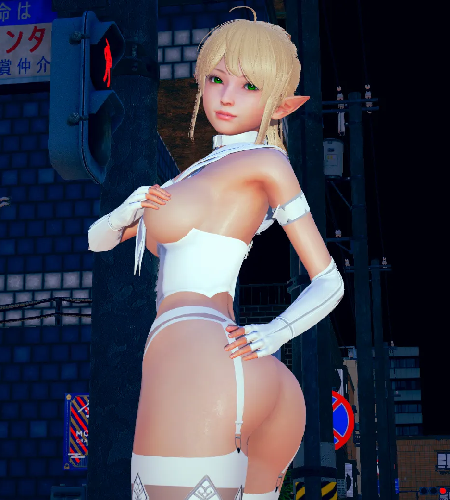
Year of release: 2022 Censorship: None Edition Type: In Development Keyboard: Not required Version: v.0.08 English Language: English Interface Language: English System requirements (minimum): Windows OS Description: Old Profession is

Year of release: 2022 Censorship: None Platform: PC/Windows/MacOS Edition Type: In Development Keyboard: Not required Version: v.0.3.0 Game Language: English Interface Language: English System requirements (minimum): Windows OS Description: Chronicles

Year of release: 2020 Censorship: No censorship Platform: PC/Windows/Linux/Android Edition Type: In Development Keyboard: Not required Version: v.0.9 Game language (storyline): English Interface Language: English System requirements (minimum): – OS: